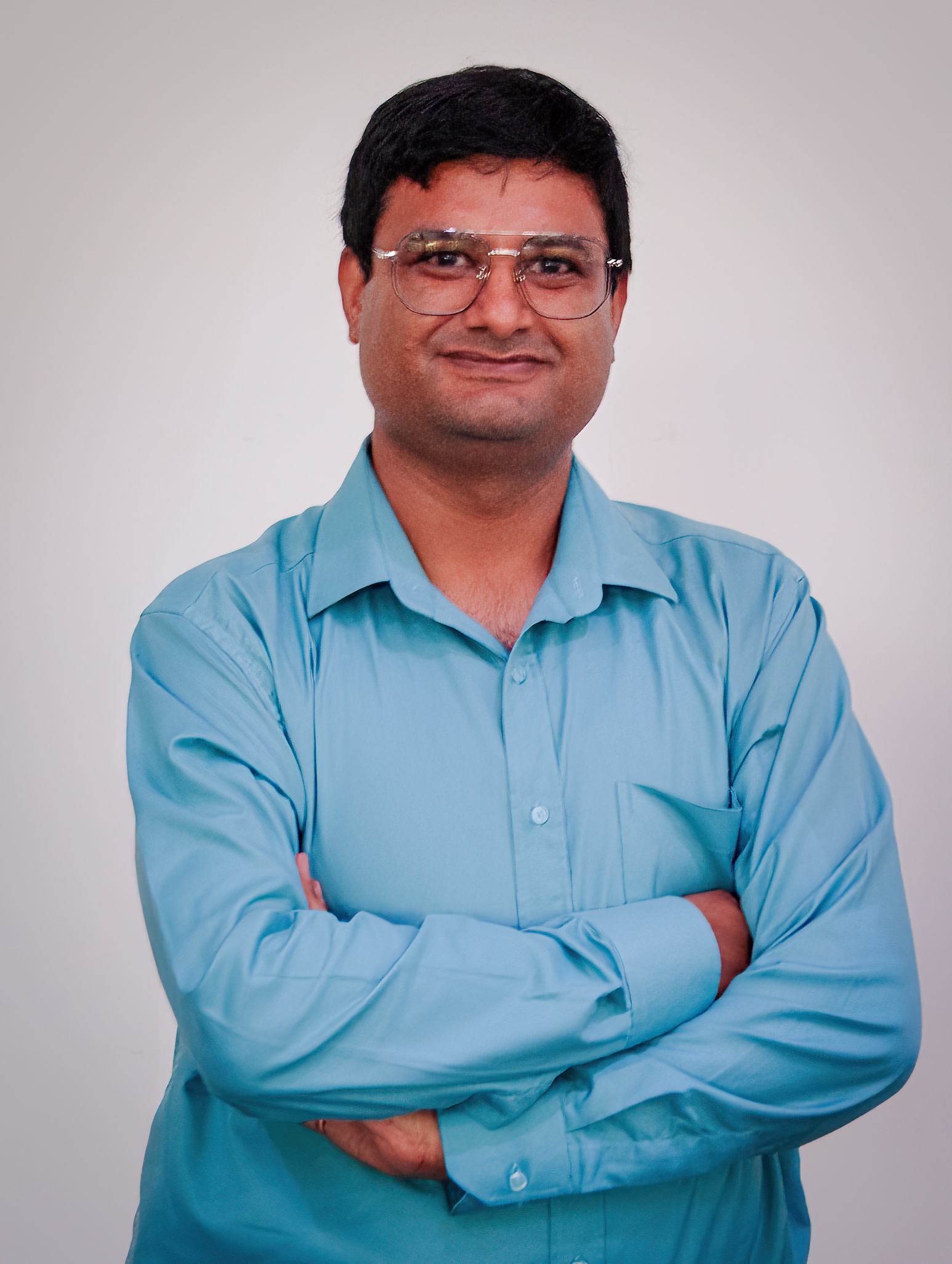
Pallav Pant is a disability rights leader, researcher, photographer and innovator who is transforming how disaster risk reduction and emergency communication include people with disabilities. As Chairperson and Founder of Atullya Foundation, he has spearheaded a pioneering movement that places persons with disabilities at the centre of disaster preparedness and public safety in Nepal and the broader Asia–Pacific region.
Drawing on his own lived experience of disability and more than a decade of leadership in disability-inclusive disaster risk reduction (DIDRR), he has guided Atullya from a small initiative into an internationally recognised organisation that shapes government policy, influences community practice, and drives digital innovation in accessible emergency support. A detail-oriented researcher who transforms data and insights into clear, actionable policy solutions that help organisations and communities thrive, Pallav holds two master’s degrees, with both theses focused on the role and sensitivity of mass media in disability inclusive disaster risk reduction and in raising awareness about adolescents with disabilities, giving him a strong theoretical foundation for his practical work. He is currently a PhD candidate at Griffith University, Australia, supported by the Griffith Disability Scholars Research Scholarship, where he is extending his impact through research on co-designing accessible emergency communication solutions with Deaf and Hard-of-Hearing communities in Queensland.
Expertise & Skills
Pallav brings deep, specialised expertise in disability-inclusive disaster risk reduction, with a track record of embedding disability perspectives across national and local DRR policy, planning, and practice. He is highly skilled in co-design and participatory methods, working alongside people with disability, government representatives, technical experts, and service providers to create tools and systems that are practical, accessible, and widely owned. His background in communication and mass media, reinforced by his master’s research, enables him to translate complex disaster risk concepts into clear, accessible messages for diverse audiences, including those who rely on Braille, digital formats, or sign language.
A strategic thinker and systems-oriented leader, Pallav excels at policy development and systems change, having led the creation of landmark DIDRR resources that are now used by ministries and local governments across Nepal. He is equally adept in digital innovation, having conceived and led the “BACHAU” SOS app, which connects people with disabilities directly to emergency services in accessible ways. His strengths extend to stakeholder engagement and partnership building, where he consistently builds trust and alignment among government ministries, donors, UN agencies, Red Cross societies, NGOs, and Organisations of Persons with Disabilities. Across all of this work, he demonstrates strong communication skills, public speaking ability, and organisational leadership, steering complex projects to successful completion even under challenging conditions such as the COVID-19 pandemic.
Experience
As Chairperson and Founder of Atullya Foundation, Pallav provides overall strategic and operational leadership for an organisation that has become a national reference point for disability-inclusive disaster risk reduction. He sets the vision, shapes strategic documents, and ensures alignment with national frameworks and donor priorities, while keeping the needs and rights of people with disabilities at the forefront. Under his leadership, Atullya has championed an innovative approach to accessibility, ensuring that major knowledge products are co-designed and produced in multiple formats, including Nepali, English, Braille and EPUB. This commitment to accessibility and co-ownership has helped position Atullya as a key partner for government-led DIDRR and public safety initiatives, and contributed to its shortlisting for the UN Sasakawa Award for Disaster Risk Reduction.
In his role as Team Leader for Nepal’s first Disability Inclusive Get Ready Guide Book, Pallav led the entire development process of a national reference document now owned by the Ministry of Home Affairs. He coordinated consultations with persons with disabilities, government officials, and technical experts to ensure the guidebook was both technically robust and practical at the community level. He then oversaw the transformation of complex DRR concepts into accessible, user-friendly content, ensuring that the guidebook could be effectively used by local governments and communities, including those who use Braille and digital formats. This work directly supported local integration of disability considerations into emergency preparedness.
Pallav also served as Team Leader for the Disability Inclusive DRR Resource Book, a major policy resource owned by the Ministry of Federal Affairs and General Administration and supported by USAID. In this role, he provided strategic direction to ensure that the resource could be applied across all 753 local levels in Nepal, including metropolitan cities, municipalities, and rural municipalities. He navigated the needs of local governments, donor expectations, and disability rights principles, bringing them together into one coherent, practical document. The resource book embeds clear, step-by-step guidance for localised, disability-inclusive DRR implementation and is available in accessible formats, further strengthening its reach and impact.
As Team Leader for the “BACHAU” SOS app, Pallav led an ambitious digital innovation that bridges accessibility, user-centred design, and emergency response. He worked closely with people with disability, including Deaf and Hard of Hearing users, as well as with technical developers and emergency service providers, to define features that are intuitive, responsive, and inclusive. By turning user needs and accessibility standards into clear technical specifications, he helped create a practical tool that connects users directly with police, medical, and fire services via accessible communication channels. The “BACHAU” SOS app has been recognised at the ignite stage of the 2022 Asia-Pacific Ministerial Conference on Disaster Risk Reduction, underscoring its regional significance and potential scalability.
In addition, Pallav led the “Accelerating Inclusive DRR” multi-stakeholder conference, a landmark event that brought together representatives from all ten classified disability groups, government entities, UN agencies, the Red Cross, INGOs, NGOs, and other stakeholders. He used his public speaking, facilitation, and written communication skills to articulate a compelling case for disability-inclusive DRR and to secure broad-based commitment to action. Through this conference and the associated policy guidelines and advocacy efforts, he helped strengthen the national ecosystem for disability-inclusive DRR and public safety, encouraging collaboration rather than siloed efforts.
Alongside these leadership roles, Pallav has successfully managed complex projects during the COVID-19 pandemic, demonstrating his ability to adapt, problem-solve, and maintain momentum under pressure. As a doctoral researcher at Griffith University, he now extends his practical experience into an academic environment, using co-design methods to explore how digital tools can make emergency communication more accessible for Deaf and Hard of Hearing communities in Queensland. This work connects his insights from Nepal with the Australian context, contributing to a growing body of global knowledge on inclusive emergency communication.
Achievements
Across his career, Pallav has built an impressive record of achievements that reflect both depth and breadth of impact. He founded Atullya Foundation and led it to national and international recognition as a pioneer in disability-inclusive disaster risk reduction, culminating in its shortlisting for the prestigious UN Sasakawa Award for Disaster Risk Reduction. He has led the development of Nepal’s first Disability Inclusive Get Ready Guide Book, now a national reference document owned by the Ministry of Home Affairs, and directed the Disability Inclusive DRR Resource Book, which is used across all 753 local governments and supported by USAID. These resources have helped embed disability inclusion into the everyday practice of disaster risk management in Nepal.
His innovation in digital inclusion is exemplified by the “BACHAU” SOS app, which provides a direct, accessible link between people with disabilities and emergency services, and which has been recognised at a major regional conference on disaster risk reduction. He has convened first-of-its-kind multi-stakeholder conferences that have brought together government, disability organisations, and international partners to reshape how DRR is conceptualised and implemented. In parallel, he has navigated complex operational contexts, including the COVID-19 pandemic, successfully delivering projects on time and sustaining organisational growth. His academic achievements include earning two master’s degrees focused on media and disability, and receiving the Griffith Disability Scholars Research Scholarship to support his PhD research on accessible emergency communication.
Values & Approach
Pallav’s work is deeply rooted in the values of inclusion, dignity, and shared ownership. He is guided by the principle that people with disabilities must be active partners—not passive recipients—in designing the systems that affect their safety and well-being. This belief shapes his commitment to co-design and meaningful participation in all major initiatives, from policy documents and guidebooks to digital applications and national conferences. He consistently seeks out and centres lived experience, ensuring that tools and policies are grounded in real-world needs and perspectives rather than assumptions.
His approach is also characterised by a strong focus on accessible communication. Building on his research into the role of mass media in disability-inclusive DRR, he prioritises clear, plain language and multimodal formats so that information reaches as many people as possible, including those who use Braille, digital platforms, Sign Language, or captioning. Collaboration and partnership are central to how he works; he invests time in building trust with government officials, donors, and civil society partners, recognising that sustainable change depends on shared understanding and long-term relationships. At the same time, he is evidence-informed and reflective, drawing on data, research, and lessons learned to continuously refine strategies and practices.
Vision & Mission
Pallav’s vision is a world in which people with disabilities are safe, informed, and empowered before, during, and after disasters, and in which their rights and needs are systematically integrated into every aspect of disaster risk management. He imagines emergency communication systems that are accessible by default, digital tools that support autonomy rather than create new barriers, and DRR policies that are designed from the outset to work for those most at risk. He believes that when systems are built to include people with disability, they become stronger, fairer, and more effective for everyone.
His mission is to continue bridging policy, practice, and technology to create inclusive solutions that can be scaled and adapted across diverse contexts. Through Atullya Foundation, he aims to deepen and expand disability-inclusive DRR practice in Nepal and the region, while his research at Griffith University contributes to global knowledge on accessible emergency communication. In both domains, he is committed to advancing a future where no one is left behind in times of crisis, and where people with disabilities are recognised as leaders, innovators, and essential partners in building resilient communities.
Media Mentions & Links